Blue Sky Hawaii / Journal
Understanding the Cost of R 410A Refrigerant in the Health & Medical Sector
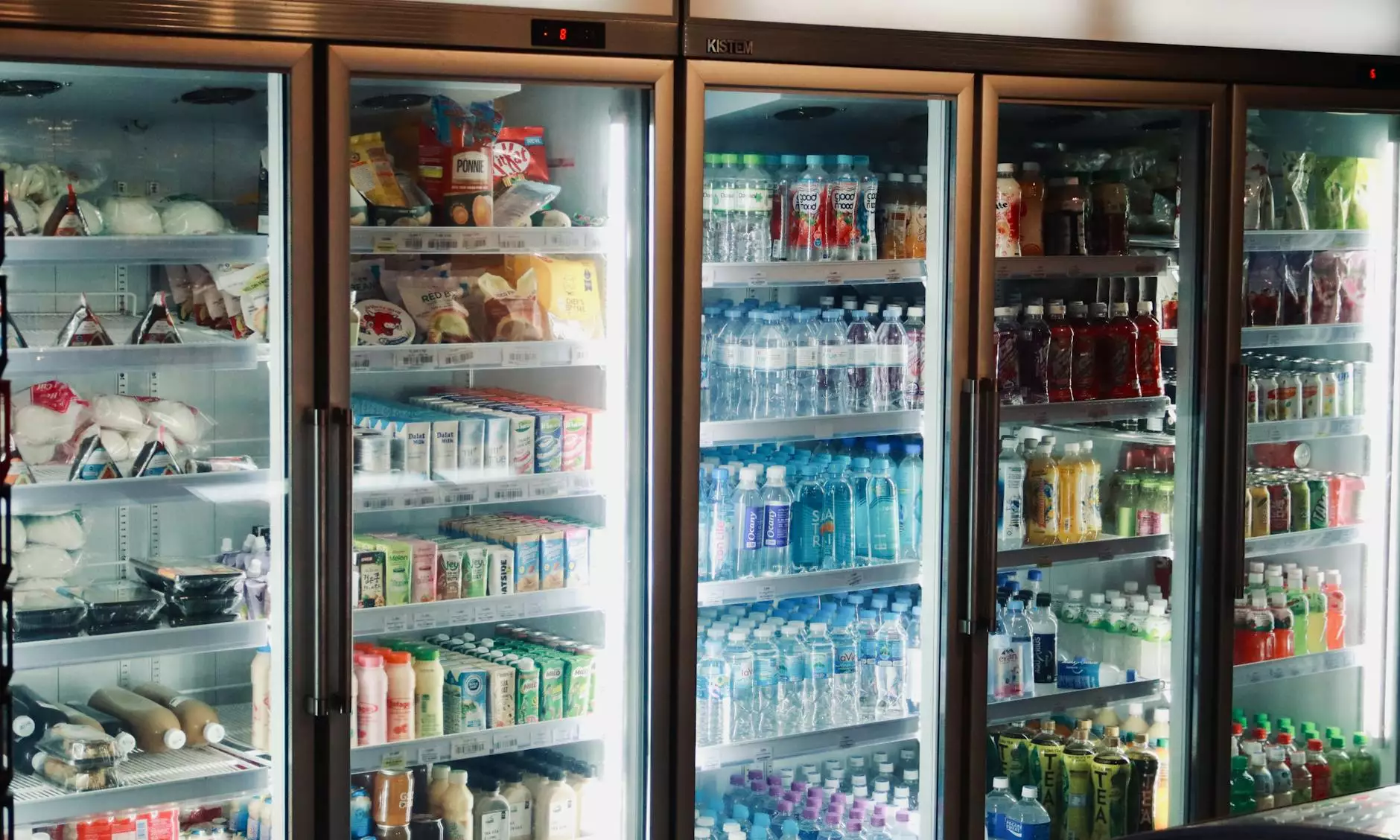
The healthcare industry relies heavily on advanced refrigeration systems to preserve vital medical supplies, pharmaceuticals, and biological samples. At the heart of many of these systems lies the refrigerant, a crucial component that ensures optimal temperature control. Among the various refrigerants, R 410A has emerged as a preferred choice due to its efficiency, safety, and environmental benefits. However, one common question that business owners and facility managers often encounter is: what is the cost of R 410A refrigerant and how does it impact operational budgets? This comprehensive guide explores the factors influencing the cost of R 410A refrigerant, its significance in the health and medical industry, and how organizations can manage refrigerant expenses effectively.
What is R 410A Refrigerant and Why Is It Popular in Healthcare?
R 410A refrigerant is a blend of hydrofluorocarbon (HFC) compounds, primarily consisting of difluoromethane (CH2F2) and pentafluoroethane (C2F5CF3). It is commonly used in a variety of cooling systems, including air conditioners, chillers, and medical refrigeration units. Its popularity stems from several key advantages:
- High Energy Efficiency: R 410A provides excellent cooling capacity with lower energy consumption, which is vital for large healthcare facilities aiming to reduce operational costs.
- Environmental Friendliness: It has a higher ozone depletion potential (ODP) of zero and a lower global warming potential (GWP) compared to older refrigerants like R 22.
- Compatibility with Modern Equipment: R 410A is compatible with newer, more efficient refrigeration systems designed for high-pressure refrigerants.
- Stable Chemical Properties: It offers stable thermodynamic properties, ensuring reliable performance under varying conditions common in healthcare environments.
Factors Influencing the Cost of R 410A Refrigerant
Understanding the cost of R 410A refrigerant involves analyzing multiple factors that can cause price fluctuations. These include:
1. Market Supply and Demand Dynamics
The global supply chain significantly impacts refrigerant prices. When demand surges due to increased HVAC installations or system upgrades, prices tend to rise. Conversely, excess supply can lead to price reductions, especially when refrigerant manufacturing capacity expands.
2. Regulatory and Environmental Policies
Governments worldwide are implementing stricter environmental regulations to phase out high-GWP refrigerants. Compliance costs, licensing, and potential tariffs can influence the retail price of R 410A, often making it more expensive in regions with rigorous policies.
3. Production Costs and Raw Material Prices
The production of R 410A involves the sourcing of raw materials such as hydrofluorocarbon compounds. Fluctuations in raw material costs directly impact the end price. Advances in manufacturing technology and economies of scale can mitigate some of these costs, influencing final refrigerant pricing.
4. Logistics and Distribution Expenses
Transportation and storage requirements add to the overall cost. Refrigerants like R 410A require specialized handling due to their high-pressure nature, which can increase shipping expenses and handling premiums.
5. Volume and Purchase Quantity
Bulk purchasing often reduces the per-unit cost. Large healthcare facilities or medical supply companies buying in volume can negotiate better prices compared to smaller entities or single-unit buyers.
Current Trends and Price Range of R 410A Refrigerant
As of recent market analysis, the typical cost of R 410A refrigerant ranges from $25 to $50 per pound. Large-scale commercial and medical facilities might access the refrigerant at a discounted rate through distributors or long-term contracts. Recent trends suggest a stabilization in price after previous volatility driven by regulatory changes and supply chain adjustments.
Cost-Effective Strategies for Healthcare Facilities Using R 410A
Healthcare organizations and medical businesses prioritizing efficient refrigeration should adopt strategies to optimize costs related to R 410A:
- Bulk Procurement: Purchasing refrigerant in large quantities to leverage discounts and reduce unit costs.
- Regular Maintenance: Ensuring HVAC systems operate efficiently to minimize refrigerant loss and prevent costly leaks.
- Energy Efficiency Investments: Upgrading to energy-efficient cooling systems reduces overall consumption, offsetting refrigerant expenses.
- Recycling and Recovery: Implementing refrigerant recycling programs reduces the need for frequent refills and minimizes environmental impact and costs.
- Long-Term Contracts: Negotiating fixed prices over extended periods can shield businesses from market fluctuations.
- Monitoring and Training: Ensuring staff are well-trained to handle refrigerants properly reduces accidental leaks and environmental hazards, leading to cost savings.
The Role of Silver Holdings PZOO in Medical Refrigeration and HVAC Solutions
Businesses like Silver Holdings PZOO are instrumental in providing tailored refrigeration solutions to the health & medical industry. Their expertise in sourcing high-quality refrigerants such as R 410A ensures that healthcare facilities maintain optimal operating conditions while managing costs effectively. By offering comprehensive services—from system installation to maintenance and refrigerant supply—they help minimize downtime, reduce operational expenses, and promote adhere to environmental regulations.
Why Choosing Reliable Suppliers Matters for Managing Refrigerant Costs
When it comes to refrigerant procurement, the importance of partnering with reputable suppliers cannot be overstated. Reliable suppliers ensure:
- Pure and Certified Products: Guaranteeing high-quality refrigerants that perform efficiently.
- Competitive Pricing: Offering transparent and fair pricing structures.
- Consistent Supply: Avoiding delays that can lead to costly system downtime.
- Technical Support: Providing expertise for system compatibility and best practices.
Conclusion: Strategic Management of R 410A Refrigerant Costs in Healthcare
Ultimately, understanding the cost of R 410A refrigerant and implementing strategic management practices is essential for healthcare providers aiming to optimize their refrigeration systems. By staying informed about market trends, choosing reliable suppliers, and adopting energy-efficient solutions, medical businesses can control costs without compromising on quality or environmental standards. As the healthcare landscape continues to evolve, companies like Silver Holdings PZOO stand out as trusted partners in ensuring efficient, sustainable, and cost-effective refrigeration solutions tailored to the unique needs of the health & medical industry.
Investing in proper refrigeration infrastructure and maintaining awareness of refrigerant market dynamics not only amplifies operational efficiency but also contributes to the broader goal of sustainable healthcare facilities that prioritize patient safety and environmental responsibility.