Blue Sky Hawaii / Journal
Effective Strategies on How to Stop Bleeding Gums: Your Complete Dental Care Guide
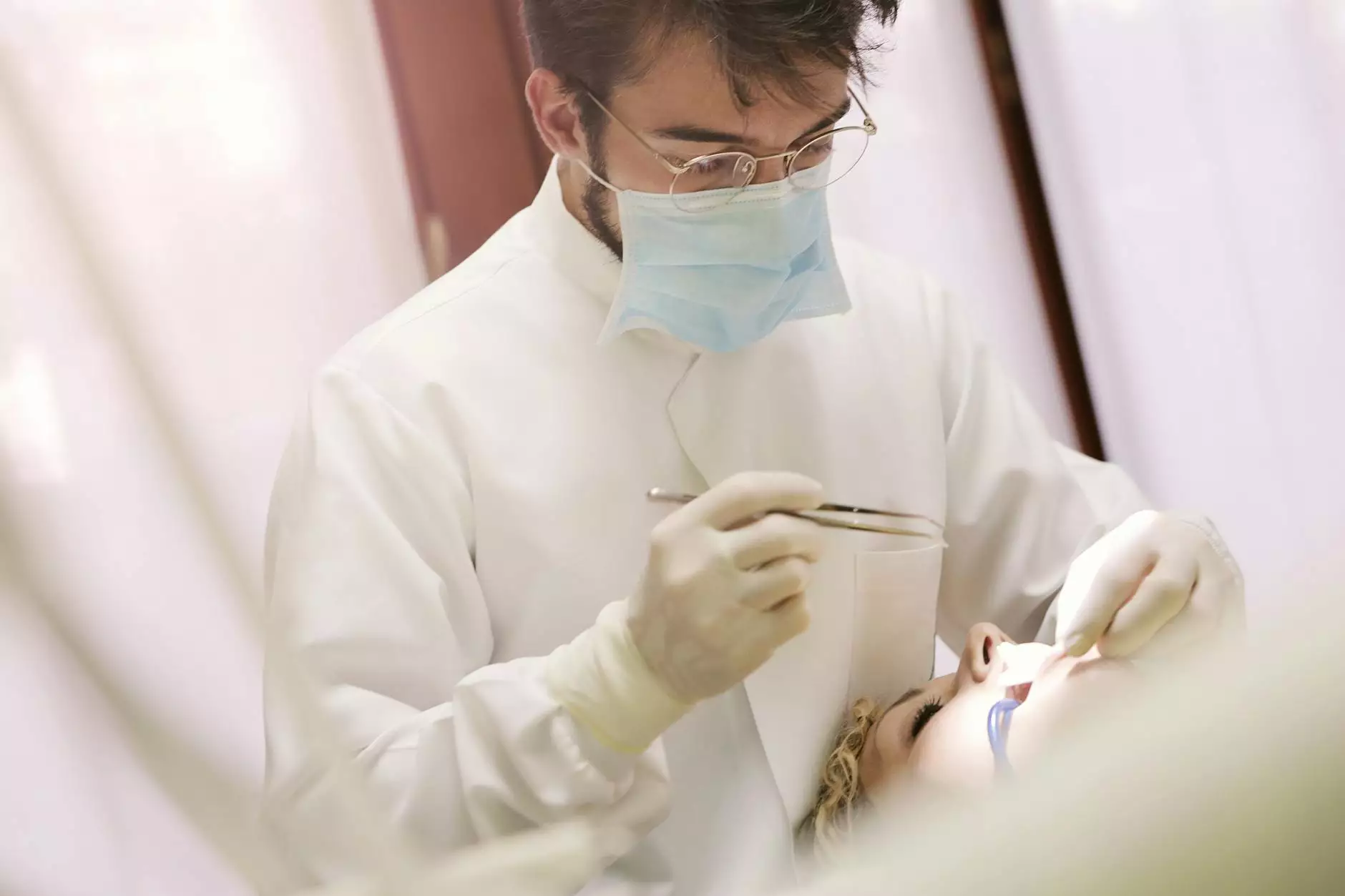
Bleeding gums are a common dental issue that can signal underlying health problems, poor oral hygiene, or other concerns. While it can be alarming, understanding the causes and implementing targeted strategies can effectively manage and prevent bleeding gums. This comprehensive guide delves into the best methods on how to stop bleeding gums, supported by professional dental insights, to help you maintain optimal oral health and confidence.
Understanding the Causes of Bleeding Gums
Before exploring how to stop bleeding gums, it’s crucial to identify the root causes. Bleeding gums often result from factors such as gingivitis, periodontal disease, trauma, vitamin deficiencies, or systemic health issues. Recognizing these triggers allows for tailored solutions and preventive strategies.
- Gingivitis: The early stage of gum disease caused by plaque buildup leading to inflammation and bleeding during brushing or flossing.
- Periodontal Disease: Advanced gum infection that damages soft tissue and bone supporting the teeth, often resulting in persistent bleeding.
- Trauma or Injury: Physical damage from aggressive brushing, flossing, or accidental injury can cause blood vessels to break.
- Nutritional Deficiencies: Lack of vitamin C, K, or other nutrients essential for gum health may contribute to bleeding.
- Medical Conditions: Blood disorders, diabetes, or immune deficiencies can impair clotting and increase bleeding susceptibility.
- Medications: Blood thinners or certain medications can elevate bleeding risks, including in the gums.
Professional Dental Advice on How to Stop Bleeding Gums
The best approach to managing bleeding gums involves a combination of proper oral hygiene, lifestyle adjustments, and professional dental care. Dentists, especially those at specialized clinics like Chiswick Park Dental, offer invaluable insight and tailored treatments to promote healthy gums.
1. Maintain Excellent Oral Hygiene Practices
Consistent and gentle oral hygiene is paramount. Use a soft-bristled toothbrush to prevent trauma, and brush at least twice daily using fluoride toothpaste to remove plaque effectively. Floss daily to reach interdental areas where plaque accumulates and can cause inflammation and bleeding.
Proper brushing and flossing not only reduce plaque but also prevent gingivitis—the primary cause of bleeding gums. Remember, aggressive brushing can damage gum tissue, so use gentle, circular motions rather than harsh scrubbing.
2. Improve Diet and Nutritional Intake
A balanced diet rich in vitamins C and K plays a vital role in maintaining healthy gums. Vitamin C supports collagen synthesis, essential for gum tissue integrity, while vitamin K promotes blood clotting. Incorporate citrus fruits, leafy greens, broccoli, and other nutrient-dense foods into your meals.
Additionally, limit sugary snacks and beverages, which promote plaque formation. Hydration is equally important—drink plenty of water to wash away food particles and bacteria.
3. Use Antibacterial Mouthwash
Incorporating an antibacterial or antiseptic mouth rinse into your oral hygiene routine can help reduce bacteria responsible for gum inflammation. Rinses containing chlorhexidine or essential oils may effectively calm inflamed gum tissues and decrease bleeding.
Note: Prolonged use of antibacterial mouthwashes should be overseen by a dental professional to prevent unwanted side effects such as stain accumulation.
4. Manage Underlying Medical Conditions
If systemic health issues such as diabetes or blood disorders contribute to bleeding gums, managing these conditions is critical. Regular medical check-ups, medication adherence, and lifestyle modifications can significantly lower bleeding risks. Always inform your dentist about your health status and medications.
5. Schedule Routine Dental Checkups
Regular professional cleanings are vital in controlling plaque and tartar buildup that cause gingivitis. Dentists at Chiswick Park Dental recommend biannual visits to monitor gum health, perform thorough cleanings, and address early signs of inflammation before they develop into serious periodontal disease.
Effective Home Remedies and Tips on How to Stop Bleeding Gums
In addition to professional care, certain home remedies can help control bleeding gums quickly and soothe inflamed tissue.
- Saltwater Rinse: Mix a teaspoon of salt in a cup of warm water and swish for 30 seconds. Salt's natural antiseptic properties help reduce inflammation and halt bleeding.
- Cold Compress: Applying a cold pack to the outside of your cheek near the affected gum can constrict blood vessels and minimize bleeding and swelling.
- Hydrogen Peroxide Solution: Dilute hydrogen peroxide with water (equal parts) and swish gently. This solution kills bacteria and aids healing. Do not swallow and use sparingly.
- Herbal Remedies: Aloe vera gel and chamomile tea bags have soothing and anti-inflammatory properties that can assist in calming irritated gums.
- Avoid Tobacco and Alcohol: Both irritate gums and impair healing, so steer clear of these until the bleeding stops and gum health improves.
When to Seek Professional Dental Care
While minor bleeding can often be managed at home, persistent or severe bleeding warrants prompt dental attention. Seek professional care if:
- Bleeding continues despite improved oral hygiene and home remedies.
- You experience pain, swelling, or bad taste in the mouth.
- Bleeding occurs after dental procedures or trauma.
- Signs of infection, such as pus or fever, are present.
- You have underlying health conditions affecting blood clotting.
Professional examination and treatment by a skilled dentist can identify the underlying cause and provide targeted therapies, including scaling, root planing, or medications, to promote healing and prevent recurrence.
Preventive Measures for Long-term Gum Health
Prevention is always better than cure. Here are essential tips for maintaining healthy, bleeding-free gums:
- Practice Regular Oral Hygiene: Brush twice daily, floss daily, and consider using interdental brushes for tight spaces.
- Quit Smoking: Smoking impairs gum tissue regeneration and promotes periodontal disease.
- Eat a Balanced Diet: Focus on nutrients that support gum integrity and immune function.
- Avoid Excess Sugar: Minimize sugary foods and drinks that contribute to plaque formation.
- Stay Hydrated: Water helps wash away food debris and bacteria from the mouth.
- Schedule Regular Dental Visits: Professional checkups every six months are crucial for early detection and intervention.
The Role of Specialized Dental Clinics in Managing Gum Disease
For comprehensive care, consulting clinics like Chiswick Park Dental is highly advisable. They provide expert diagnosis, advanced periodontal therapies, and personalized treatment plans. Their team of experienced dentists and hygienists utilize cutting-edge technology to ensure optimal results, fostering not just symptom relief but long-term oral health stability.
Conclusion: Embrace Proactive Dental Care to Prevent Bleeding Gums
In summary, understanding how to stop bleeding gums involves a strategic combination of diligent oral hygiene, nutritional support, lifestyle modifications, and professional advice. Early intervention can often reverse gingivitis and prevent progression to more serious conditions such as periodontal disease. Remember, maintaining healthy gums is a cornerstone of overall well-being and confidence. Prioritize regular dental visits, adopt proper oral care habits, and seek expert guidance when necessary.
If you're seeking tailored dental care or expert advice, Chiswick Park Dental offers a comprehensive range of services in Health & Medical, General Dentistry, and Dentists. Take charge of your oral health today to enjoy a brighter, healthier smile!