Blue Sky Hawaii / Journal
The Cylinder Block Diesel Engine: An Engineering Marvel
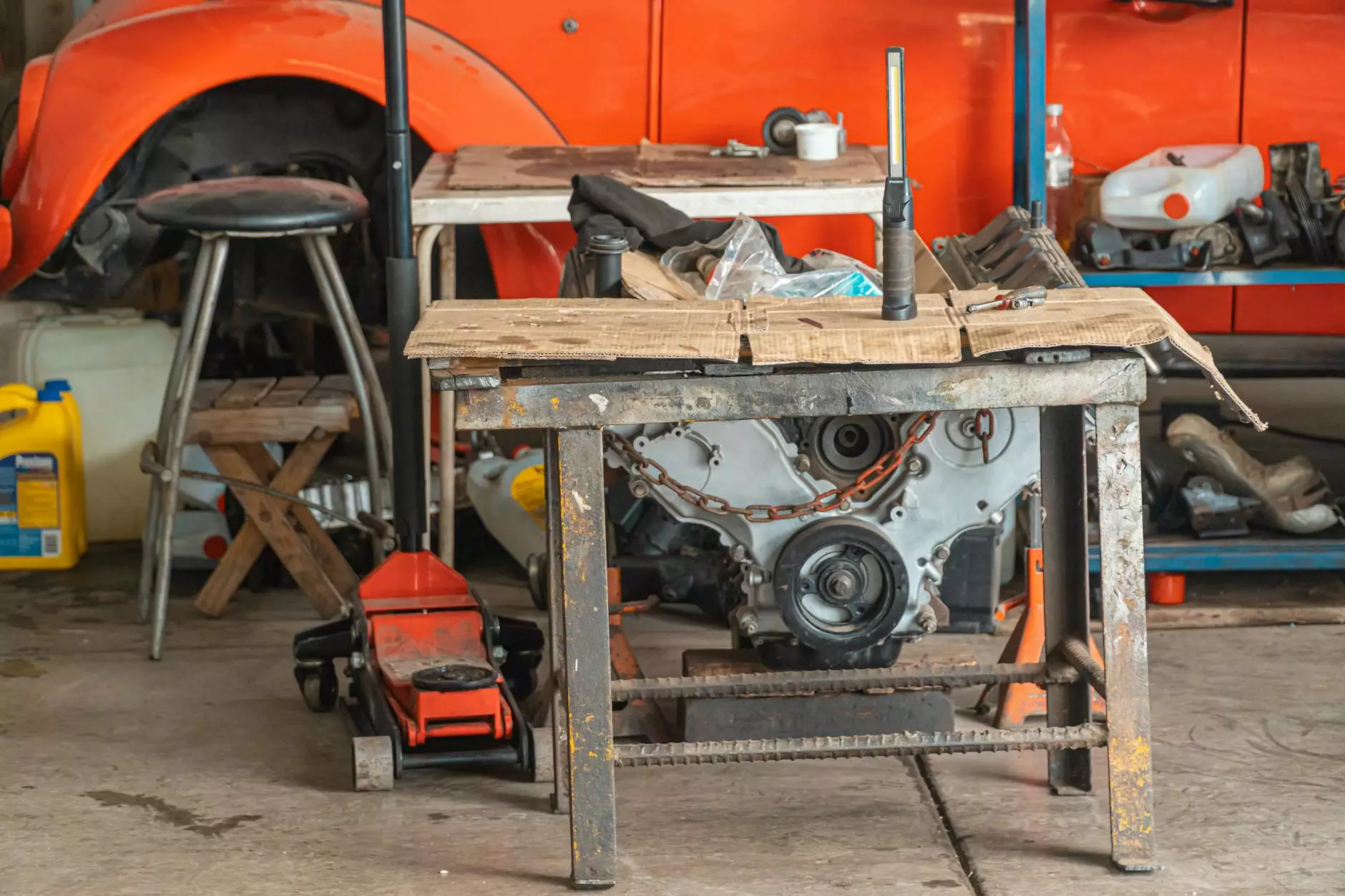
The cylinder block diesel engine stands as one of the primary innovations that has revolutionized the world of engineering and heavy machinery. Recognized for their durability and efficiency, these engines power a wide range of applications, from vehicles to industrial machinery. In this article, we delve deep into the functionality, components, advantages, and essential maintenance practices of the cylinder block diesel engine, emphasizing its integral role in today’s technological landscape.
Understanding the Cylinder Block Diesel Engine
At its core, the cylinder block is a crucial component of the diesel engine that houses the cylinders, which are essential for the combustion process. The design and manufacturing quality of the cylinder block significantly affect the overall performance and longevity of the diesel engine.
Key Components of a Cylinder Block Diesel Engine
The cylinder block diesel engine comprises several vital components, each playing a significant role in its operation. Understanding these components is critical for recognizing how they contribute to the functionality and efficiency of the engine.
- Cylinders: The cylinders are where fuel and air mixture enters and combustion occurs. They are designed to withstand high pressures and temperatures.
- Pistons: Each cylinder contains a piston that moves up and down, converting the energy from combustion into mechanical work.
- Crankshaft: The crankshaft translates the linear motion of the pistons into rotational energy that powers the vehicle or machinery.
- Camshaft: This component operates the valves, ensuring the correct timing for air and fuel intake and exhaust release.
- Gaskets and Seals: These prevent leakage of fluids (oil and coolant) and maintain pressure within the engine.
The Functionality of the Cylinder Block
A deep understanding of the functionality of the cylinder block allows manufacturers and operators to better appreciate its significance. The primary function of the cylinder block is to house the cylinders, but it also provides structural integrity to the engine. Here are several functionalities highlighted:
- Support Structure: The cylinder block serves as the foundation for many engine components, providing stability and strength.
- Cooling: Many designs include passages for coolant to flow around the cylinders to absorb and dissipate heat, preventing overheating.
- Oil Distribution: The block includes oil channels that allow lubricant to flow to necessary components, minimizing friction and wear.
- Integration of Accessories: It often serves as a mounting point for various accessories like the oil pan, intake manifold, and exhaust manifold.
Advantages of Diesel Engines with Cylinder Blocks
The advantages of using cylinder block diesel engines are numerous, making them a preferred choice for various applications:
- Durability: Cylinder block diesel engines are built to last. They are typically constructed from robust materials withstands severe conditions.
- Fuel Efficiency: Diesel engines are known for their superior fuel efficiency compared to gasoline engines, providing better mileage.
- High Torque: Diesel engines generate high torque at low RPMs, making them ideal for heavy-duty applications.
- Lower CO2 Emissions: Despite common misconceptions, modern diesel engines produce lower CO2 emissions, especially with advancements in technology.
Importance in Different Sectors
The cylinder block diesel engine has immense applications across different sectors:
1. Transportation
In the transportation industry, diesel engines power trucks, buses, and other heavy vehicles, ensuring goods and people move efficiently. The torque provided is crucial for transporting heavy loads.
2. Marine Applications
Marine engines are often diesel-powered due to their fuel efficiency and performance under extreme conditions. Cylinder block diesel engines are essential for large vessels and cargo ships.
3. Industrial Machinery
Construction equipment, agricultural machinery, and generators rely heavily on cylinder block diesel engines for reliable power. They allow for sustained operations, which is critical in industrial settings.
4. Power Generation
Many power generation plants utilize diesel engines, particularly in backup systems, where reliability and efficiency are paramount.
Challenges and Maintenance of Cylinder Block Diesel Engines
Like any dynamic machinery, cylinder block diesel engines face challenges that require regular maintenance to ensure long-term performance:
Common Challenges
- Overheating: Engine overheating can lead to severe damages. Regular checks on the cooling system are necessary to prevent this issue.
- Oil Leakages: Frequent checks for oil leaks around the seals and gaskets can help mitigate this problem.
- Fuel Quality: Poor fuel quality can lead to performance drops. Using high-quality fuel is essential for optimal engine operation.
Maintenance Best Practices
Implementing a routine maintenance schedule can substantially extend the life of a cylinder block diesel engine. Here are some best practices:
- Regular Oil Changes: Change the engine oil at manufacturer-recommended intervals to ensure smooth operation.
- Cooling System Checks: Regularly inspect and maintain the cooling system to avoid overheating issues.
- Fuel Filter Replacements: Change fuel filters periodically to ensure clean fuel supply to the engine.
- Inspection of Belts and Hoses: Worn-out belts and hoses can lead to engine failure, so they should be inspected regularly.
Conclusion
In conclusion, the cylinder block diesel engine is a vital component in the machinery, automotive, and industrial sectors. Its enduring design, coupled with the technological advancements made over the years, ensures that it remains at the forefront of engine efficiency and reliability. By understanding its components, advantages, and maintenance requirements, businesses can ensure that they utilize these powerful engines effectively. Organizations like client-diesel.com play a crucial role in supplying quality spare parts and enhancing the operational capabilities of machines powered by this robust engine type.
As we move forward, the cylinder block diesel engine will continue to evolve, integrating advanced technologies that enhance performance while minimizing environmental impact. It is the responsibility of manufacturers, suppliers, and users alike to embrace these changes for a sustainable future.