Blue Sky Hawaii / Journal
Exploring the Business of Printing Fake South African Money
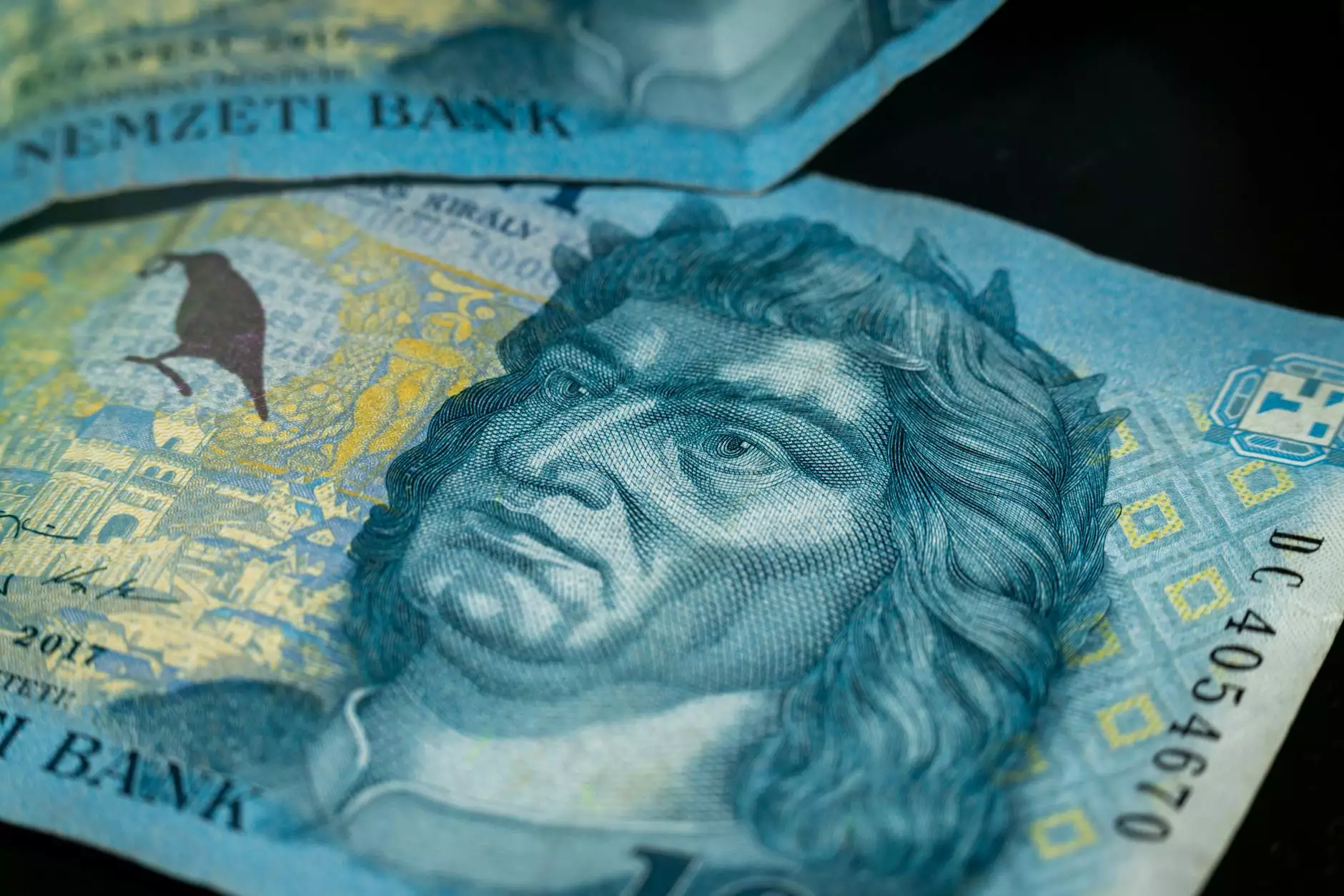
The Landscape of Counterfeit Currency
The production and distribution of fake South African money has evolved into a complex business. Understanding this landscape is essential for stakeholders involved in the printing services sector. Counterfeit currency is not just a financial crime; it represents a multi-faceted industry that incorporates art, technology, and sociology.
Understanding the Motivations Behind Counterfeiting
Why do individuals and entities engage in creating fake South African money? The motivations are varied, ranging from financial instability to artistic expression. Here are a few key factors:
- Financial Gain: The most straightforward reason is profit. Counterfeiters can make substantial sums by distributing fake currency.
- Political Statements: Some counterfeiters create fake money as a form of protest or political statement against the government or financial institutions.
- Artistic Endeavors: For some, it is a form of art, a way to challenge societal norms regarding currency and value.
The Printing Process of Fake South African Money
The intricate process of creating fake South African money involves several stages that require both technological expertise and an understanding of design principles. Here are the critical steps:
1. Design and Artwork
Designing counterfeit currency involves a deep understanding of the aesthetic elements that make real money unique. Counterfeiters often utilize high-resolution scanners and graphic design software to replicate the intricate patterns and security features found in legal tender.
2. Material Selection
High-quality materials that mimic the feel and durability of real banknotes are crucial. Counterfeiters often use advanced printing techniques on materials that resemble the paper used in legitimate currency.
3. Advanced Printing Technology
The technology used in the printing stage plays a significant role in the authenticity of fake South African money. Techniques such as offset printing, digital printing, and even screen printing can be employed.
4. Quality Control
Even in the counterfeit business, quality control is vital. This step ensures that the final product closely mimics genuine banknotes in both look and feel. Counterfeiters often use human testers to verify the authenticity of the bills before distribution.
The Legal Implications of Counterfeiting
Engaging in the production and distribution of fake South African money comes with severe legal repercussions. The South African government has established strict laws against counterfeiting that anyone in the printing industry must be aware of, including:
- Heavy Fines: Individuals caught printing counterfeit money face substantial fines.
- Imprisonment: Penalties can include lengthy prison sentences for those convicted of counterfeiting.
- Seizure of Assets: Any profits made from counterfeit activities can be seized by law enforcement agencies.
How Printing Services Can Navigate This Niche
While engaging directly in the production of fake South African money is illegal, printing services can find legitimate ways to navigate this niche market. Here are some innovative approaches:
1. Educational Materials
Printing companies can produce educational resources that inform the public about the dangers and illegality of counterfeiting.
2. Anti-Counterfeiting Technologies
By investing in printed materials that demonstrate anti-counterfeiting technologies, businesses can contribute positively to society while capitalizing on an intrinsic market demand.
3. Promotional Products
Companies can use the aesthetic designs of currency to create promotional products such as novelty items or themed merchandise without crossing legal boundaries.
Consumer Awareness and the Impacts of Counterfeiting
It is essential for consumers to be educated about the impacts of fake South African money on the economy. Understanding the repercussions can lead to greater societal vigilance against the circulation of counterfeit currency.
1. Economic Impact
Counterfeiting can have devastating effects on the economy. It decreases the overall value of currency, raises prices for consumers, and affects the profits of legitimate businesses.
2. Trust in Financial Institutions
When counterfeit money infiltrates the economy, it leads to a decrease in public trust in financial institutions. This erosion of trust can hinder economic growth and stability.
Case Studies: Notable Instances of Counterfeiting in South Africa
Several high-profile cases of counterfeiting in South Africa highlight the severity of the issue and the measures taken to combat it. For instance:
- The 1980s Counterfeit Ring: An elaborate network that circulated billions in fake currency before being dismantled.
- Recent Technological Hacks: Instances where cybercriminals have used digital means to produce convincing counterfeits.
Conclusion: The Need for Vigilance and Education
Understanding the dynamics of fake South African money is crucial for both businesses and consumers. Recognizing the motivations, methods, and implications surrounding counterfeit currency allows stakeholders to engage with this complex issue more effectively. Printing services can play a pivotal role in promoting awareness and providing valuable resources that combat counterfeiting.
Ultimately, while the allure of quick financial gain through the production of fake South African money might be tempting for some, the far-reaching consequences reveal that it is a dangerous game with significant risks attached. By fostering an educated and vigilant society, we can better protect the integrity of our economy and financial systems.