Blue Sky Hawaii / Journal
The Comprehensive Guide to THCA Flowers
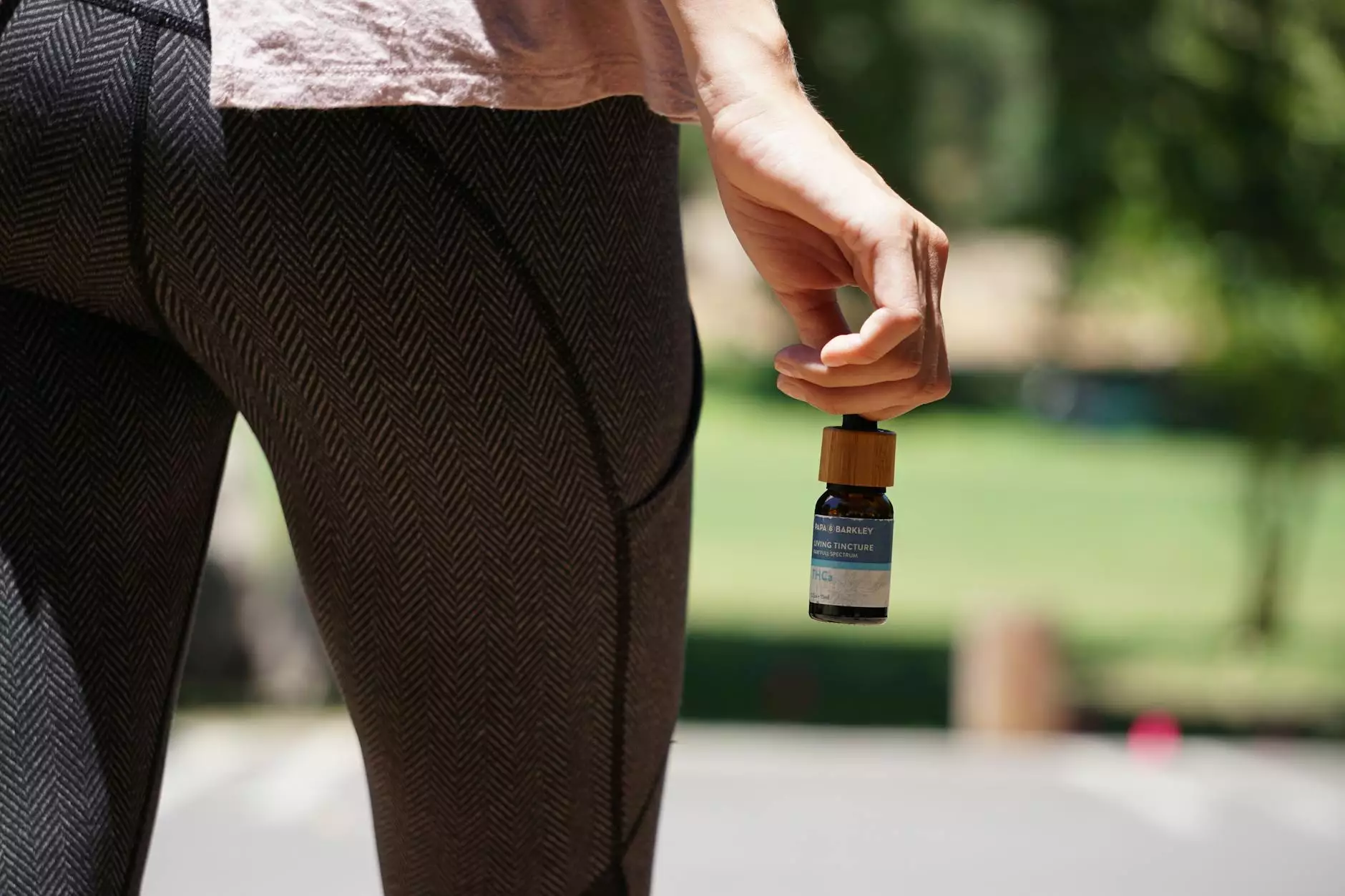
THCA flowers represent a fascinating aspect of the cannabis plant that has gained significant attention in recent years. As cannabis cultivation grows in popularity, understanding the different compounds within the plant, such as THCA (Tetrahydrocannabinolic Acid), becomes essential for enthusiasts and medical users alike. This article aims to cover everything you need to know about THCA flowers, their benefits, and their role within the broader cannabis landscape.
What Are THCA Flowers?
THCA flowers come from the cannabis plant before the decarboxylation process occurs, which transforms THCA into THC (Tetrahydrocannabinol). THCA is non-psychoactive, meaning it does not produce the "high" associated with cannabis consumption. This characteristic makes THCA flowers particularly appealing for individuals seeking the therapeutic benefits of cannabis without intoxication.
The Chemical Composition of THCA
The chemical structure of THCA includes:
- C21H30O2 - The molecular formula of THCA.
- Carboxylic acid - THCA features a carboxyl group, differentiating it from THC.
- Variety of cannabinoids - THCA flowers often contain a range of other cannabinoids and terpenes, contributing to the plant's overall effects and aroma.
Health Benefits of THCA Flowers
Research into the therapeutic properties of THCA is ongoing, but initial findings have shown that these compounds offer several potential health benefits. Some of the most promising benefits include:
Anti-Inflammatory Properties
THCA has been shown to have anti-inflammatory effects, which can help alleviate symptoms associated with chronic inflammatory conditions. Individuals suffering from arthritis, multiple sclerosis, or other inflammatory disorders may find relief through the use of THCA flowers.
Neuroprotective Effects
Some studies suggest that THCA may exhibit neuroprotective properties, making it a potential candidate for treating conditions such as Parkinson's disease and Alzheimer's. The ability to safeguard neurodegeneration is a significant breakthrough in cannabis research.
Antiemetic Properties
THCA has also demonstrated potential as an antiemetic, which helps curb nausea and vomiting. This is particularly beneficial for patients undergoing chemotherapy or those with gastrointestinal disorders.
Appetite Stimulation
While THC is more widely known for increasing appetite, THCA also shows potential in stimulating appetite without the psychoactive effects, making it a safer choice for individuals who need to regain their appetite.
How to Use THCA Flowers
Understanding how to effectively use THCA flowers is crucial for maximizing their benefits. Here are several methods of consumption:
- Raw Consumption: Eating THCA flowers raw or juicing them can provide maximum benefits as they maintain their acidic form.
- Tinctures: Tinctures made from THCA-rich flowers allow for easy dosing and quick absorption.
- Capsules: Encapsulated THCA is a convenient option for those who prefer precise measurements.
- Topicals: Infused creams and balms can utilize THCA's anti-inflammatory properties for localized relief.
Choosing the Right THCA Flowers
When selecting THCA flowers, consider the following factors to ensure you receive a high-quality product:
1. Source and Quality
Always purchase from reputable dispensaries or producers that prioritize quality control. Organic cultivation methods can enhance the cannabinoid profile.
2. Cannabinoid Profile
Look for lab reports that test for cannabinoid and terpene content. High THCA levels combined with beneficial terpenes can provide synergistic effects.
3. Terpenes and Their Effects
The terpene profile of THCA flowers can significantly influence their benefits. Some common terpenes include:
- Myrcene: Known for its sedative effects.
- Limonene: Associated with mood elevation and stress relief.
- Caryophyllene: Known for its anti-inflammatory properties.
THCA Flowers and Medical Cannabis Referrals
For individuals considering the medicinal use of cannabis, obtaining a medical cannabis referral is essential. This process varies by location but generally involves:
- Consultation: Meeting with a qualified healthcare professional to discuss your medical history and symptoms.
- Assessment: Evaluating potential benefits and risks of using THCA flowers or other medical cannabis products.
- Referral: If appropriate, receiving a medical cannabis card allowing access to licensed dispensaries.
The Role of Cannabis Tours in Education
Understanding cannabis and its benefits can be greatly enhanced through cannabis tours. These tours provide valuable firsthand experience with cannabis cultivation, processing, and consumption. Participants can learn about:
- The differences between various cannabis strains.
- The cultivation process of THCA flowers.
- The importance of sustainable cannabis farming.
- How to properly consume cannabis for individual needs.
Conclusion: Embracing the Power of THCA Flowers
In summary, THCA flowers represent a valuable part of the cannabis plant, offering numerous therapeutic benefits while remaining non-psychoactive. As research continues to unfold, the understanding of THCA and its implications for health and wellness will only grow. If you're interested in exploring this potential, consider consulting with a medical professional for a referral, and seek out quality sources for your THCA flowers. Embrace the natural benefits of cannabis and discover how THCA can make a difference in your wellness journey.
For more information and resources, feel free to visit Venerafactory.com, where you can find details on medical cannabis referrals, cannabis tours, and our curated selection of the finest THCA flowers.