Blue Sky Hawaii / Journal
In Office Hysteroscopy Procedure: A Comprehensive Guide
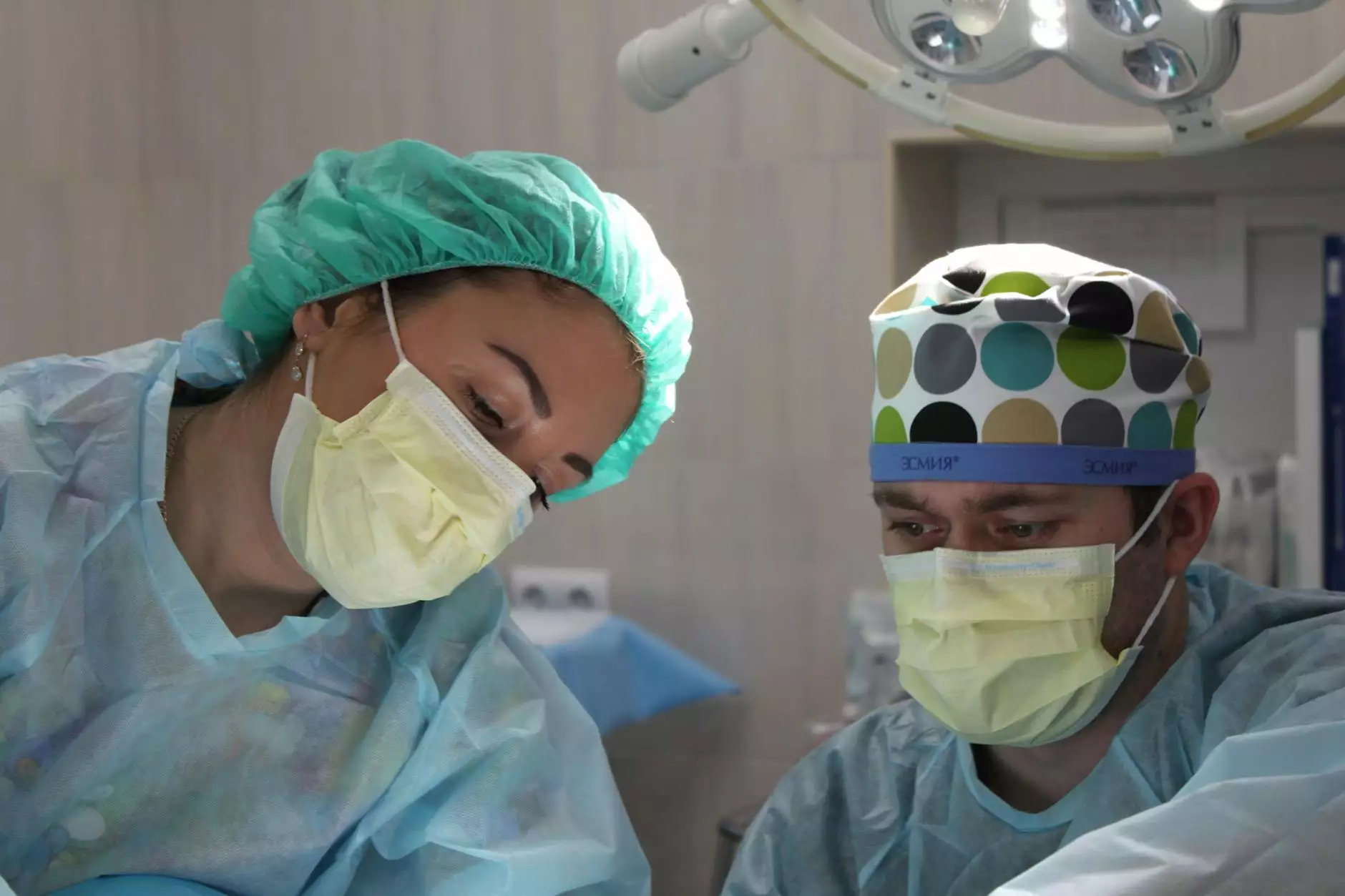
The in office hysteroscopy procedure is a minimally invasive diagnostic and therapeutic procedure that enables healthcare providers to view the inside of a woman's uterus using a thin, lighted tube known as a hysteroscope. This procedure offers numerous benefits, from enhanced patient comfort to accurate diagnosis and treatment options, making it an invaluable tool in modern gynecological practice.
What is Hysteroscopy?
Hysteroscopy is a procedure that allows doctors to examine and treat conditions affecting the uterus. There are two main types of hysteroscopy:
- Diagnostic Hysteroscopy: This is performed to identify abnormalities within the uterus, such as polyps, fibroids, or abnormal bleeding.
- Operative Hysteroscopy: In this case, doctors can also perform surgical procedures, such as the removal of polyps or fibroids, during the same visit.
The Evolution of the Procedure
In office hysteroscopy has become increasingly popular due to advancements in technology and a greater understanding of women's health needs. Traditionally, hysteroscopy was performed in an operating room under general anesthesia, which created significant barriers for many patients. Today, most procedures can be done in a comfortable office setting, reducing the need for hospitalization and allowing for a quicker return to daily activities.
Benefits of In Office Hysteroscopy
The adoption of in office hysteroscopy has introduced several key benefits:
- Minimally Invasive: The procedure is minimally invasive, involving no large incisions, which leads to less pain and quicker recovery.
- Patient Comfort: With local anesthesia or sedation, patients often report feeling more comfortable than they would during a hospital-based procedure.
- Immediate Results: Often, results are available immediately, allowing for prompt diagnosis and treatment, which can be crucial in managing reproductive health concerns.
- Cost-Effective: Conducting the procedure in an office setting can significantly reduce costs associated with surgery centers or hospitals.
- Shorter Downtime: Many patients can resume normal activities within a day, making it easier to fit into busy lifestyles.
Who Should Consider an In Office Hysteroscopy Procedure?
The in office hysteroscopy procedure is suitable for various patients, including those experiencing:
- Abnormal Uterine Bleeding: Those with heavy, prolonged, or irregular menstrual bleeding.
- Infertility Issues: Women facing challenges in conceiving may find this procedure beneficial in diagnosing potential underlying causes.
- Polyp or Fibroid Symptoms: Patients who suspect the presence of uterine growths can benefit from direct visualization and treatment.
- Postmenopausal Bleeding: Any subsequent bleeding after menopause should prompt an evaluation of the uterine cavity.
What to Expect During the Procedure
Understanding what happens during an in office hysteroscopy can help alleviate anxiety:
- Preparation: Patients may be asked to avoid certain medications, and a thorough medical history is taken. A pelvic exam may also be performed.
- Dilating the Cervix: In many cases, the cervix is gently dilated to allow the hysteroscope's passage.
- Insertion of the Hysteroscope: The hysteroscope is carefully inserted into the uterus. A sterile saline solution is often used to distend the cavity for better visualization.
- A Diagnosis and/or Treatment: The doctor examines the uterine lining and can perform minor procedures if needed, such as biopsy or removal of polyps.
- Recovery: Post-procedure, patients may experience mild cramping and spotting, but most can return to their daily routine shortly after.
Aftercare and Considerations
Post-procedure care is crucial for a smooth recovery. Here are some things to keep in mind:
- Rest: Patients are encouraged to take it easy for the rest of the day.
- Manage Discomfort: Over-the-counter pain relievers can help alleviate any cramps or discomfort.
- Avoid Tampons: It is advisable to avoid tampons and intercourse for a few days to allow healing.
- Monitor Symptoms: Any severe pain, fever, or heavy bleeding should be reported to the healthcare provider immediately.
Conclusion
The in office hysteroscopy procedure represents a groundbreaking approach in gynecological care, prioritizing patient comfort and convenience without sacrificing diagnostic and therapeutic capabilities. By understanding the procedure, its benefits, and what to expect, patients can take proactive steps in managing their reproductive health. If you're considering this procedure or have further questions, consult with a qualified healthcare provider for personalized guidance.
Getting Started
If you are interested in exploring the in office hysteroscopy procedure, reach out to a qualified gynecologist at Dr. Seckin's clinic. With years of experience and dedication to women's health, Dr. Seckin and his team are here to help guide you through your health journey, answer your questions, and support you every step of the way.