Blue Sky Hawaii / Journal
The Power of Euro 50 in the Modern Business Landscape
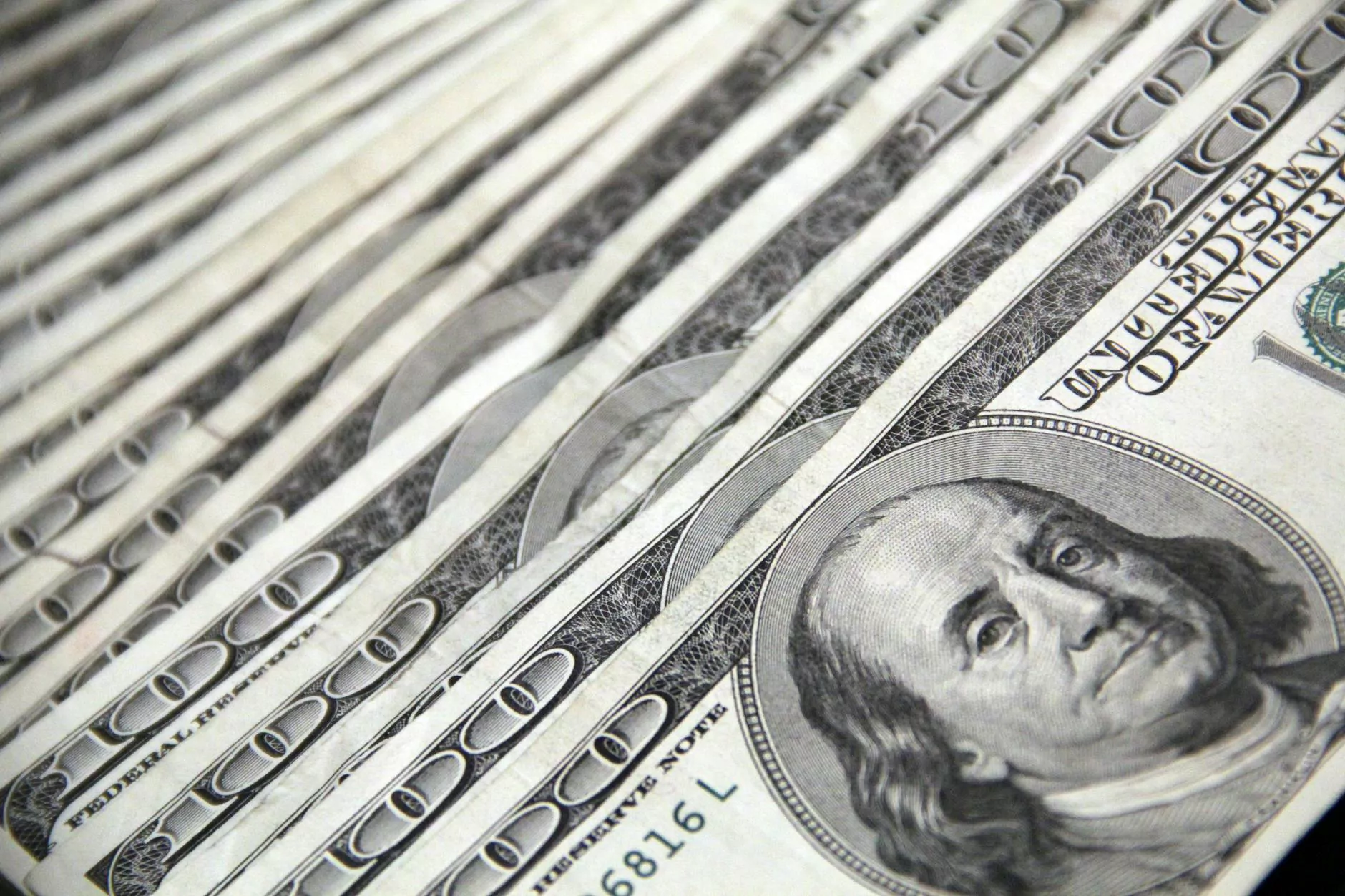
The Euro 50 note is not just a piece of currency; it represents a significant part of the European economy and business interactions. Understanding its role and implications can shed light on a broader view of commerce in the Eurozone and beyond. In this article, we will explore the multifaceted dimensions of the Euro 50 bill and how businesses can navigate the complex world of currencies and counterfeit money in a way that not only remains legal but also opens up opportunities.
Understanding the Euro and Its Significance
The Euro is the official currency of the Eurozone, which consists of 19 of the 27 European Union (EU) member states. It facilitates seamless trade and economic cooperation among countries such as Germany, France, Italy, and Spain. The Euro 50 note, in particular, plays a crucial role in everyday transactions across these nations.
History of the Euro
The Euro was introduced in 1999 as an electronic currency for banking and financial transactions, and physical Euro banknotes and coins were released to the public in 2002. This transition was aimed at simplifying trade, promoting economic stability, and encouraging growth within member countries.
What Makes Euro 50 Unique?
The Euro 50 note is renowned for its striking design, featuring historical architecture representative of European heritage. The color scheme and security features make it one of the most recognizable pieces of currency worldwide. Its popularity facilitates large transactions without the need for carrying cumbersome amounts of cash, making it a preferred denomination in various sectors.
Impact on Local Businesses
The integration of the Euro, particularly the Euro 50, has had a profound impact on local businesses across Europe. Here are several key ways it influences the business landscape:
- Simplification of Transactions: By standardizing currency, cross-border trade has become less complicated. Businesses can engage in commerce without worrying about currency exchange rates, which can fluctuate significantly.
- Increased Consumer Confidence: The Euro serves as a stable currency, bolstering consumer confidence. Customers feel more secure purchasing goods and services knowing that their transactions are consistent and reliable.
- Facilitating Tourism: The Euro 50 note is a handy means for tourists, making it easier for them to spend in cafes, shops, and attractions across Eurozone countries.
- Support for Small Enterprises: Small businesses can trade effectively with larger corporations without the excessive costs often associated with currency conversion.
The Role of Fake Money in Business Transactions
While the Euro 50 note serves as a cornerstone for legitimate transactions, the darker side of currency is the existence of counterfeit money. Understanding this phenomenon is essential for any business operating in this new digital age.
Common Myths About Fake Money
Many misconceptions exist regarding counterfeit money. Here are the most prevalent myths:
- All counterfeit money is easily detectable: While modern printing technology has made counterfeiting more difficult, sophisticated counterfeits can still slip through without immediate detection.
- Using fake money is harmless: Engaging in transactions with counterfeit notes can lead to severe legal repercussions that can jeopardize a business's reputation and financial future.
- You can sell or circulate counterfeit money: Even attempting to use fake currency with no intention of profit can lead to criminal charges.
The Consequences of Counterfeit Currency
Businesses caught using or distributing counterfeit money can face a multitude of consequences, including hefty fines, loss of business licenses, and even imprisonment. It is vital that business owners educate themselves about the legality surrounding currency and adhere to all laws governing the handling of money.
Best Practices to Protect Your Business
Here are several proactive steps businesses can take to safeguard themselves against the risks associated with counterfeit money:
- Invest in Detection Tools: Consider purchasing counterfeit detection devices or software that can help verify the authenticity of cash transactions.
- Train Employees: Educate your staff on the features of genuine Euro 50 notes and other currencies. This knowledge is crucial in preventing counterfeit circulation.
- Maintain Strong Security Protocols: Implement strict cash handling procedures and ensure that employee access to large amounts of cash is monitored.
- Report Counterfeit Currency: If counterfeit money is detected, promptly report it to the local authorities. This action not only helps track counterfeiters but also protects your business and community.
The Future of Currency and Business Transactions
As we look ahead, the landscape of currency and transactions continues to evolve. Digital currencies and cryptocurrencies are shaping the future of money, challenging traditional forms such as cash. However, the Euro 50 and physical currencies remain significant, particularly in industries where cash transactions dominate.
Trends to Watch
Businesses should keep an eye on the following trends:
- Increased Use of Digital Payments: The rise in online transactions and the use of mobile wallets are changing how consumers use physical currency.
- Greater Scrutiny on Counterfeit Detection: As counterfeiting technology becomes more sophisticated, businesses will need to adopt advanced strategies and tools to stay compliant.
- Adaptation to Global Economic Changes: Economic shifts within the Eurozone can directly impact the value and reliance on the Euro 50. Business strategies should be adaptive to these changes.
Conclusion
The Euro 50 note serves as a crucial pillar in the European economy, with profound implications for various business sectors. Understanding its role, along with being aware of the challenges posed by counterfeit money, equips business owners with the knowledge needed to navigate this complex landscape. By implementing robust practices and keeping abreast of currency trends, businesses can thrive and ensure robust fiscal health.
As you build your business strategy, remember the importance of legal and authentic transactions. Fake money not only affects personal integrity but can also impact community stability and trust. Stay informed and proactive in your approach to currency management, and your business will be well-positioned for success.