Blue Sky Hawaii / Journal
The Comprehensive Guide to Barcoding Machines for Your Business
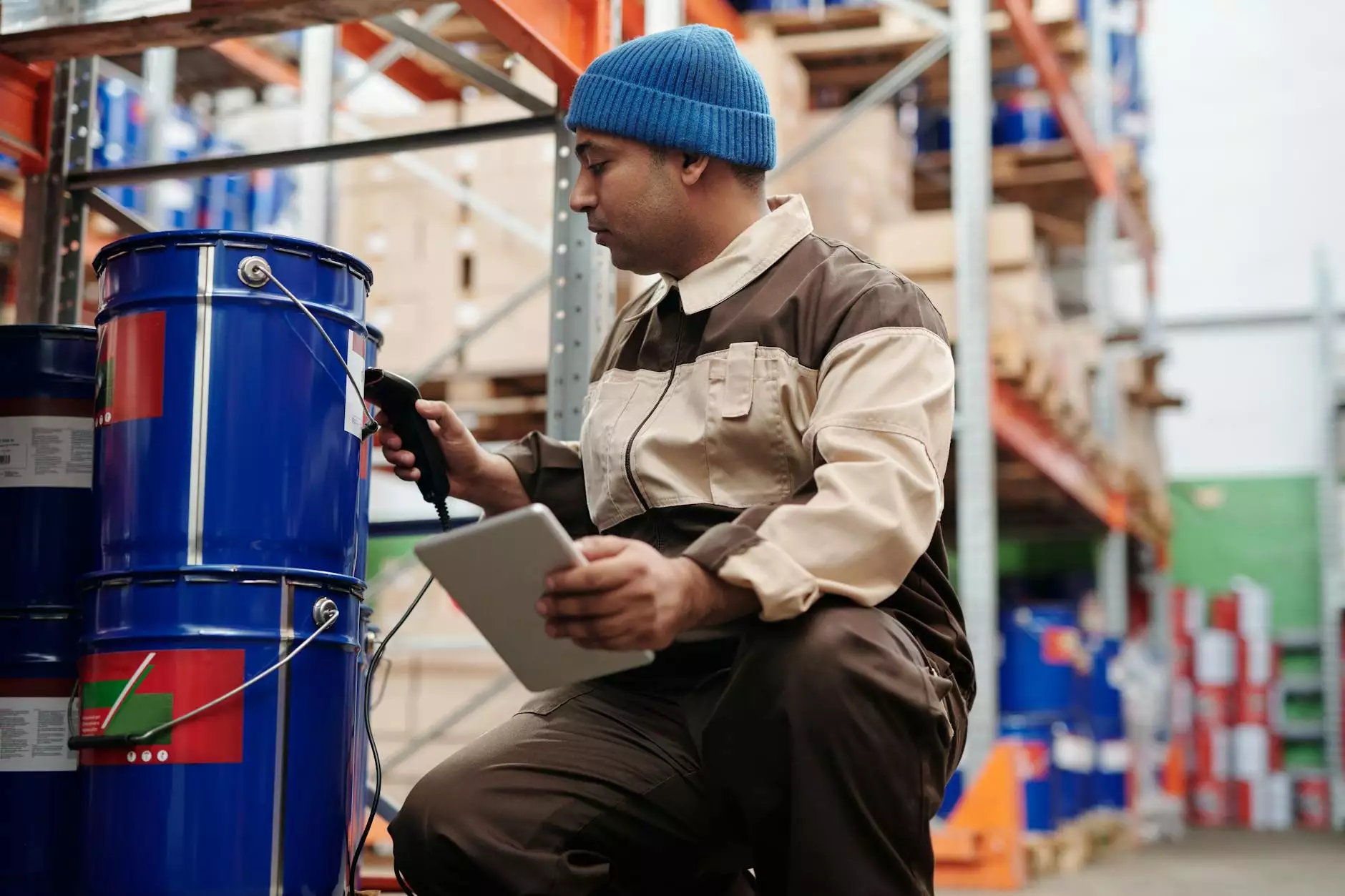
In the fast-paced world of modern commerce, every company is on the lookout for ways to enhance productivity, minimize errors, and streamline operations. One crucial tool that stands at the forefront of this endeavor is barcoding machines. These devices not only simplify inventory management but also provide a pathway to increased accuracy and efficiency within various business operations. This article delves into the myriad advantages of barcoding machines and how they can be an asset to businesses in different sectors, including printing services, electronics, and computers.
Understanding Barcoding Technology
Before we explore the benefits of barcoding machines, it's essential to grasp the underlying technology. Barcodes are optical machine-readable representations of data. A barcode scanner—integrated with a barcoding machine—translates these visual patterns into digital data. The types of barcodes can vary, with some of the most common being:
- 1D Barcodes: Traditional barcodes consisting of vertical lines.
- 2D Barcodes: Matrix codes like QR codes, capable of storing more information.
- Data Matrix Codes: Widely used in electronics for compact data storage.
Key Benefits of Using Barcoding Machines
Here are some compelling reasons to consider incorporating barcoding machines into your business operations:
1. Increased Accuracy
One of the most significant advantages of barcoding is its ability to enhance accuracy. When entering data manually, the chance of human error is high. With barcoding machines, data is scanned directly from the barcode into your system, which minimizes errors associated with manual entry.
2. Improved Efficiency
Efficient workflows are vital to any business's success. Using barcoding machines allows for faster processing times. Scanning a barcode takes seconds compared to the time it would take to input data manually. This increase in speed translates directly into improved productivity and helps in meeting tight deadlines.
3. Cost-Effectiveness
By reducing errors and improving efficiency, *barcoding machines* lead to significant cost savings. Less time spent correcting mistakes means lower labor costs. Furthermore, effective inventory management helps avoid overstocking or stockouts, which can also save money.
4. Enhanced Inventory Management
Effective inventory management is crucial for any business. With barcoding machines, businesses can keep accurate real-time records of stock levels. You can quickly identify items in inventory, track their movement, and analyze trends over time, empowering better decision-making.
5. Strengthened Security
Using barcoding machines enhances your security protocols. By keeping track of your products and their movements, you can reduce losses due to theft or mismanagement, ensuring that your assets are well-protected.
Barcoding Machines in Different Industries
The versatility of barcoding machines allows them to be effectively used across various sectors. Here’s how they integrate into different industries:
1. Printing Services
In the printing industry, barcoding machines help streamline workflow processes. They allow businesses to track job progress, manage pre-prints, and ensure that the right prints are shipped to the right clients. By using barcodes, printers can avoid mix-ups and improve customer satisfaction.
2. Electronics
For electronics manufacturers, the logistics of tracking numerous components is vital. Barcoding machines simplify this task by enabling manufacturers to monitor parts from the moment they enter the factory to the final assembly. This tracking helps in managing recalls and warranties more effectively.
3. Computers
In the computer industry, proper inventory management is crucial. Barcoding machines allow for better tracking of parts and finished products. This capability ensures that businesses are always aware of stock levels, leading to improved planning and reduced downtime.
Choosing the Right Barcoding Machine
When selecting a barcoding machine, it is essential to consider the following factors:
1. Type of Barcodes
Different applications may require various barcode types. Consider whether you need 1D, 2D, or other specialized barcodes.
2. Scanning Range
Different barcoding machines have various scanning ranges. Ensure you select one suitable for your workspace, whether it's a retail shop or a large warehouse.
3. Connectivity Options
Choose machines with the best connectivity options for your infrastructure, whether that be USB, Bluetooth, or wireless methods.
4. Software Compatibility
Your barcoding machine should seamlessly integrate with your existing systems and inventory software.
Implementing Barcoding Solutions in Your Business
Integrating barcoding machines into your business does not have to be complicated. Follow these steps for a smooth implementation:
1. Assess Needs
Evaluate your business requirements and determine how a barcoding machine can meet those needs.
2. Choose Equipment
Based on your assessment, select the appropriate hardware and software solutions.
3. Train Employees
Provide adequate training to your staff on how to use the barcoding machines effectively.
4. Test the System
Before fully implementing the system, conduct tests to ensure everything operates smoothly.
5. Monitor and Optimize
Continuously monitor the barcoding processes and make adjustments as necessary to improve efficiency.
The Future of Barcoding Technology
The future of barcoding machines looks promising, with advancements in technology paving the way for more enhancements. Trends such as the increasing use of mobile scanning devices, integration with IoT, and enhanced data analytics capabilities will shape the landscape of barcoding technology. Staying updated with these innovations will ensure your business remains competitive and efficient.
Conclusion
In a world where operational efficiency is paramount, barcoding machines offer significant advantages that can transform business operations. From enhanced accuracy to improved inventory management, the role of barcoding technology in business cannot be overstated. Businesses in the sectors of printing services, electronics, and computers stand to gain immensely from adopting this technology. As you consider ways to improve your business processes, it's clear that investing in barcoding machines is a step towards success.