Blue Sky Hawaii / Journal
The Comprehensive Guide to the Cost of Hysteroscopy and Its Role in Women's Health
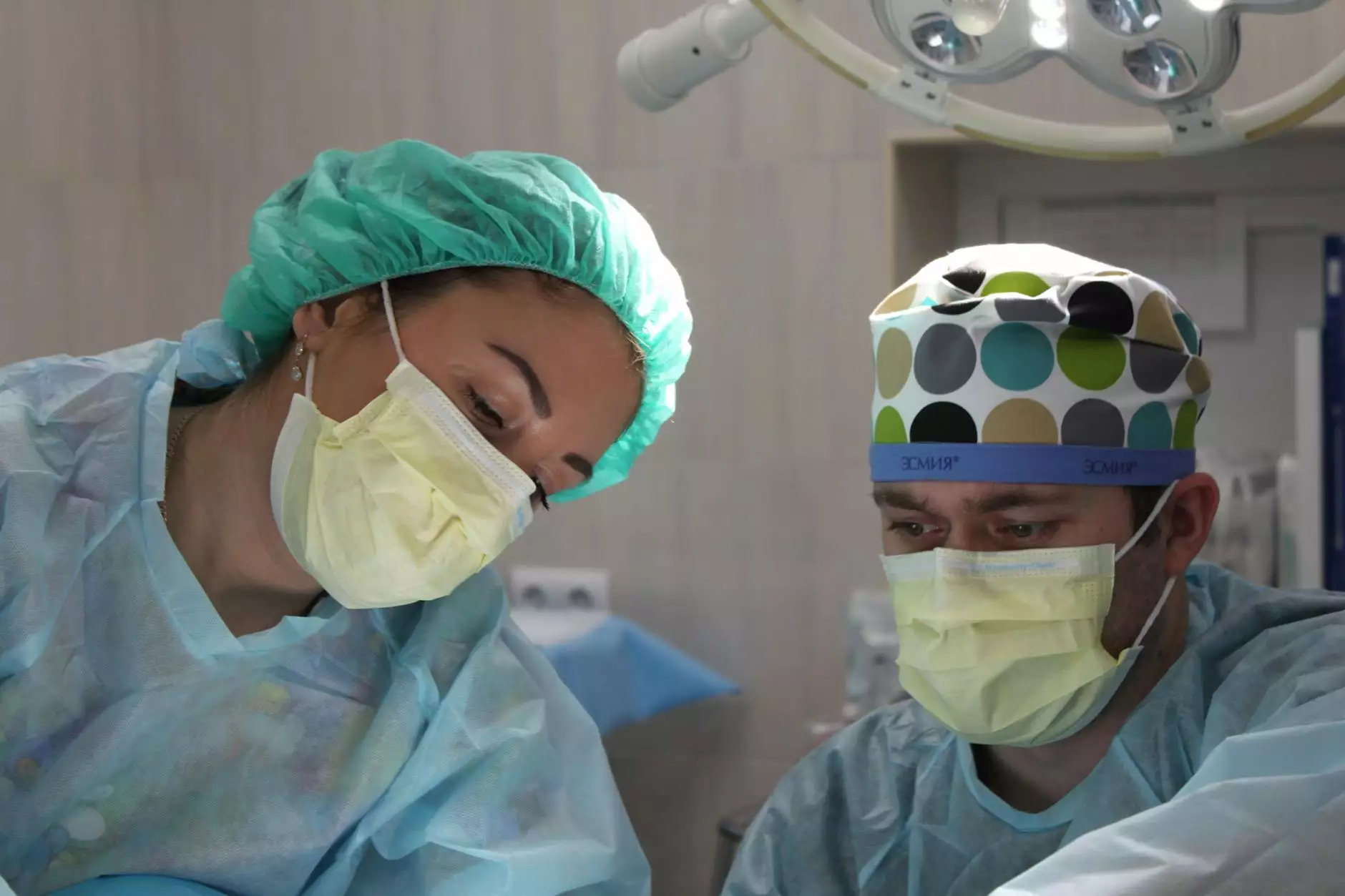
In recent years, advancements in gynecological diagnostics and minimally invasive procedures have revolutionized women's healthcare. Among these innovations, hysteroscopy stands out as a crucial tool for diagnosing and treating various uterine conditions. While discussing the cost of hysteroscopy, it is vital to understand the procedure itself, its benefits, factors influencing pricing, and how it fits into overall women's health management.
Understanding What Hysteroscopy Is
Hysteroscopy is a minimally invasive diagnostic and therapeutic procedure that allows doctors, particularly obstetricians and gynecologists, to examine the interior of the uterine cavity. The procedure involves inserting a thin, lighted instrument called a hysteroscope through the vagina and cervix into the uterus. This provides a clear view of the uterine lining, allowing for accurate diagnosis and targeted treatment.
The Significance of Hysteroscopy in Women's Health
Hysteroscopy plays an essential role in addressing various gynecological issues, including:
- Investigating causes of abnormal uterine bleeding
- Diagnosing uterine fibroids, polyps, and septa
- Assessing the uterine cavity post-miscarriage or infertility treatments
- Removing polyps, fibroids, or adhesions
- Performing tubal sterilization or recanalization
- Investigating recurrent pregnancy losses
Because of its minimally invasive nature, hysteroscopy allows for quicker recovery times, less discomfort, and reduced hospital stays compared to traditional surgical methods.
Factors Affecting the Cost of Hysteroscopy
The cost of hysteroscopy varies significantly based on a multitude of factors. While some costs are standard, others are influenced by individual patient needs, geographic location, healthcare provider expertise, and facility capabilities. A comprehensive understanding of these factors can help women make informed decisions and anticipate the financial aspects of this vital procedure.
1. Type of Hysteroscopy
There are mainly two types of hysteroscopy:
- Diagnostic Hysteroscopy: Typically less expensive, used mainly for examination and diagnosis.
- Operative Hysteroscopy: Involves treatment procedures like polyp removal or fibroid resection, generally more costly due to additional surgical requirements.
2. Scope and Complexity of the Procedure
The procedure's complexity influences costs. Minor diagnostic procedures tend to be more affordable, whereas extensive interventions requiring specialized instruments, anesthesia, or longer operating times naturally incur higher expenses.
3. Geographic Location and Facility Type
Medical costs can vary dramatically based on the location. Urban centers and well-regarded hospitals typically charge higher fees due to advanced infrastructure and expertise. Conversely, clinics in rural or less-developed regions may offer lower prices but potentially different standards of care.
4. Anesthesia and Sedation Methods
The use of local, regional, or general anesthesia affects the overall cost. General anesthesia usually involves higher charges for anesthesia specialists and monitoring, increasing the total cost of the procedure.
5. Healthcare Provider's Experience and Reputation
Highly experienced and reputable specialists often charge premium rates, reflecting their expertise and success rates, which can translate into increased safety and efficacy for patients.
6. Preoperative and Postoperative Care
Preoperative assessments, laboratory tests, imaging, and postoperative follow-up visits are essential components that add to the total expense but are crucial for ensuring successful outcomes.
Breaking Down the Typical Costs of Hysteroscopy
The cost of hysteroscopy encompasses several components, which can include:
- Consultation Fees: Initial assessment with a gynecologist or specialist.
- Procedure Cost: Includes the hysteroscope, surgical instruments, and operating room expenses.
- Anesthesia Fees: Depending on the anesthesia method used.
- Hospital or Clinic Charges: Facility usage and staff support.
- Preoperative Tests: Blood work, imaging, or other diagnostics.
- Postoperative Follow-up: Recovery monitoring and additional care if necessary.
In many countries, the overall cost of hysteroscopy for diagnostic purposes can range between $500 and $2,000 USD, while operative procedures can cost upward of $2,000 to $5,000 USD, depending on complexity and additional interventions.
Why Investing in Hysteroscopy May Save Costs in the Long Run
Although the initial cost of hysteroscopy may seem significant, it offers numerous long-term benefits that can ultimately reduce overall healthcare expenses:
- Precise diagnostic capabilities minimize unnecessary procedures.
- Early detection of uterine pathologies can prevent costly complications later.
- Minimally invasive approach reduces hospital stay and recovery time, lowering expenses related to hospitalization.
- Targeted treatments through operative hysteroscopy decrease the need for more invasive surgeries.
- Enhanced patient comfort and faster return to daily activities often lead to fewer lost workdays and associated economic impacts.
Combining Cost Considerations with Quality Care at drseckin.com
At drseckin.com, leading specialists in Obstetrics & Gynecology and women's health prioritize high-quality, patient-centered care with transparent pricing and comprehensive treatment options. Choosing an experienced gynecologist like Dr. Seckin ensures you receive:
- Accurate diagnostics with state-of-the-art hysteroscopic equipment
- Personalized treatment plans tailored to your specific needs
- Minimally invasive procedures with excellent safety profiles
- Postoperative support to monitor recovery and manage any concerns
Understanding the cost of hysteroscopy in the context of the broad spectrum of services they provide can help you make informed healthcare decisions and prioritize long-term well-being.
Preparing for Your Hysteroscopy: What You Need to Know
Preparation is key to ensuring a smooth procedure and optimal results. Here are some essential tips:
- Discuss your medical history thoroughly with your doctor.
- Follow preoperative instructions regarding fasting or medication adjustments.
- Arrange for transportation home after anesthesia if used.
- Understand the post-procedure care and potential side effects.
Having clarity about these aspects helps manage expectations and enhances the overall experience, making both the cost of hysteroscopy an investment in your health.
Insurance Coverage and Financial Assistance
Many health insurance plans include coverage for diagnostic and operative hysteroscopy, especially when medically necessary. It is advisable to consult with your insurance provider beforehand to understand coverage details and out-of-pocket expenses. Some clinics and hospitals also offer financing plans or sliding-scale fees to make procedures more affordable.
Conclusion: The Value of Hysteroscopy in Women's Healthcare
While evaluating the cost of hysteroscopy, it is essential to consider its high diagnostic accuracy, minimally invasive nature, and the potential to prevent more serious complications down the line. Modern hysteroscopy procedures provide a safe, effective, and often cost-effective approach to managing complex gynecological conditions, ultimately improving quality of life for women worldwide.
For personalized consultation, expert care, and transparent pricing, visit drseckin.com, where your journey to optimal gynecological health begins with trust and excellence.